Dive Belize, and Become an Ally for Conservation—With 25% of Its Entire Ocean Space Protected after 2025
Why Scuba Divers Are Conservationists By Default—And By Numbers
It’d take one’s breath away (except you can never break the number one rule of scuba: never hold it), but the moment a diver comes face-to-face with the ocean’s incredible merit, they immediately understand the importance and urgency of protecting it. Add in three atolls and the longest barrier reef in the Northern Hemisphere? You’ve got yourself lots of scuba tank refills, full log books, dive fever, and a fierce drive for conserving—or regenerating—the exact experience you’ve just had.
Research from the Scripps Institution of Oceanography finds well-managed marine protected areas (MPAs) can boost scuba diving tourism revenue by up to 252%, linking reef recovery and fish biomass to stronger coastal economies. Not to mention, the 2025 “Marine protected areas for dive tourism” study also shows that increasing protected marine areas would bring an additional USD$2.7 billion towards scuba tourism—even if governments only designate 1% of ocean areas used for recreational scuba diving into highly protected MPAs. That seemingly tiny change could push the global biodiversity score to rise by 5%.
Now picture Belize, ahead of the curve, with the Government already expanding to protecting 25% of its ocean as Biodiversity Protection Zones (BPZs). Up next? Coming face-to-flipper towards Milestone 6: an ambitious aim for 30% protection before 2027. Imagine if only the 33 million annual dives around the world were all in BPZs like Belize?
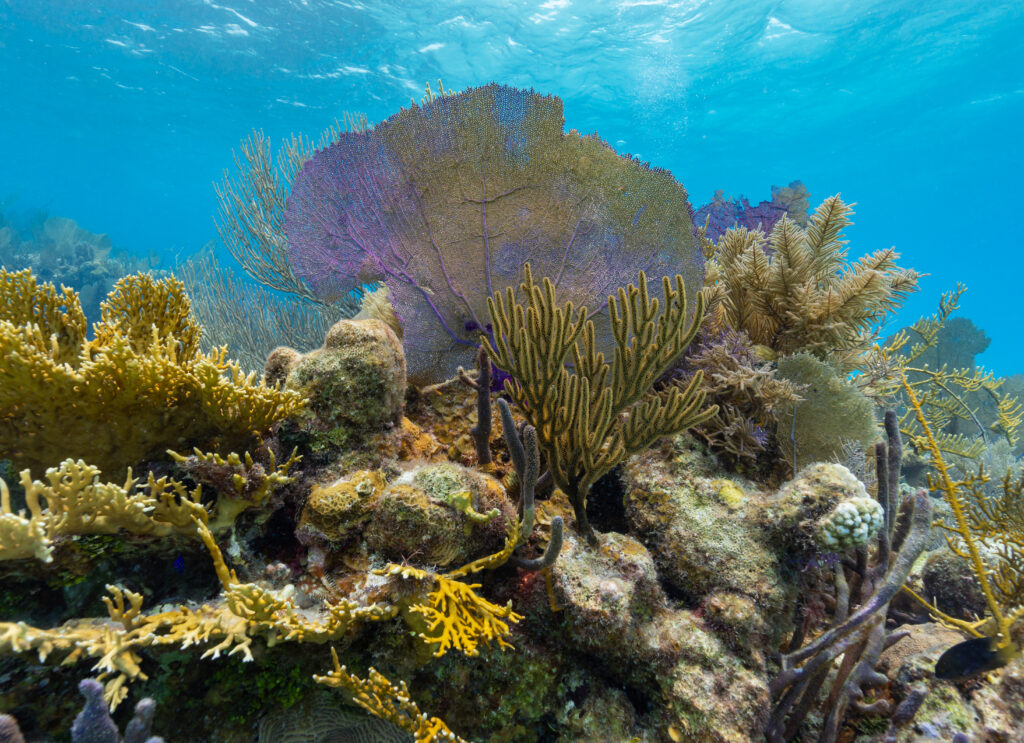
Biodiversity Through Your Mask
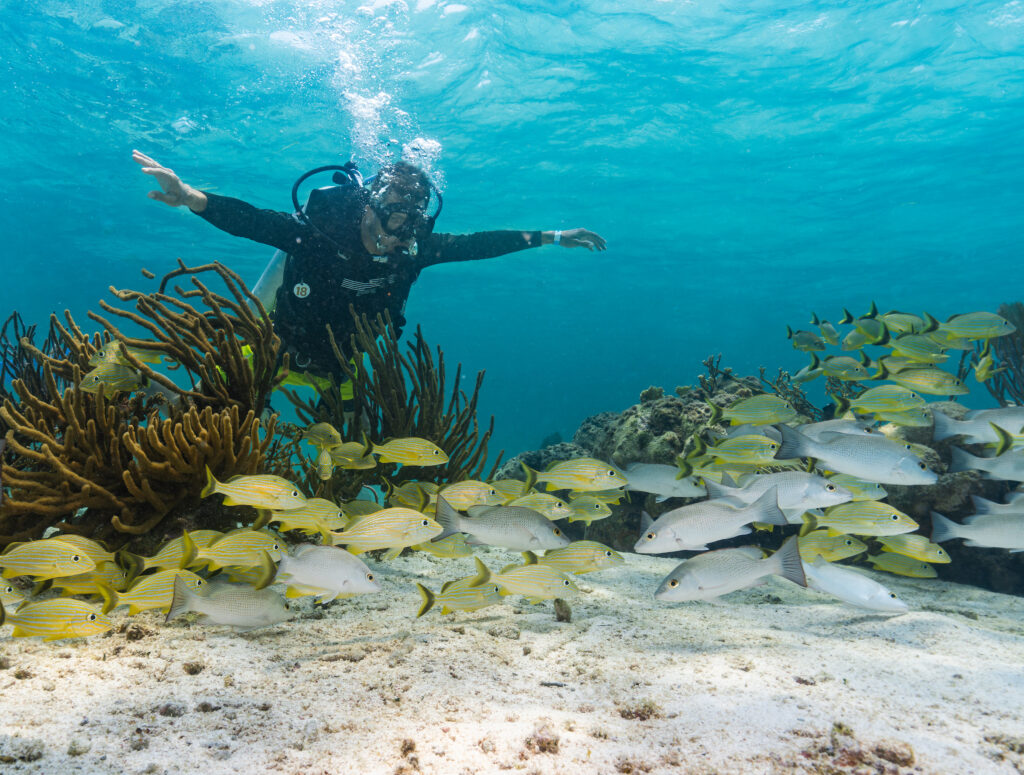
Non-extractive by nature, you’re there to simply observe—and breathe deeply—in a world that’s unlike anything above the surface. Scuba divers have a huge potential to be torchbearers—metaphorically and literally—with hope for the future of our vast ocean spaces. Beyond following best practices for diving responsibly, learning everything they can about marine ecosystems, and joining ocean conservation efforts, divers can show their support for the ocean by choosing to dive in sites that are fully protected. After all, scuba divers’ preference shows roughly 70% of all marine dives currently occur within MPAs.
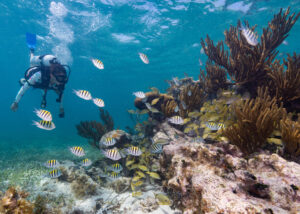
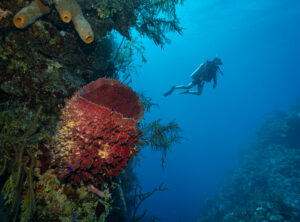
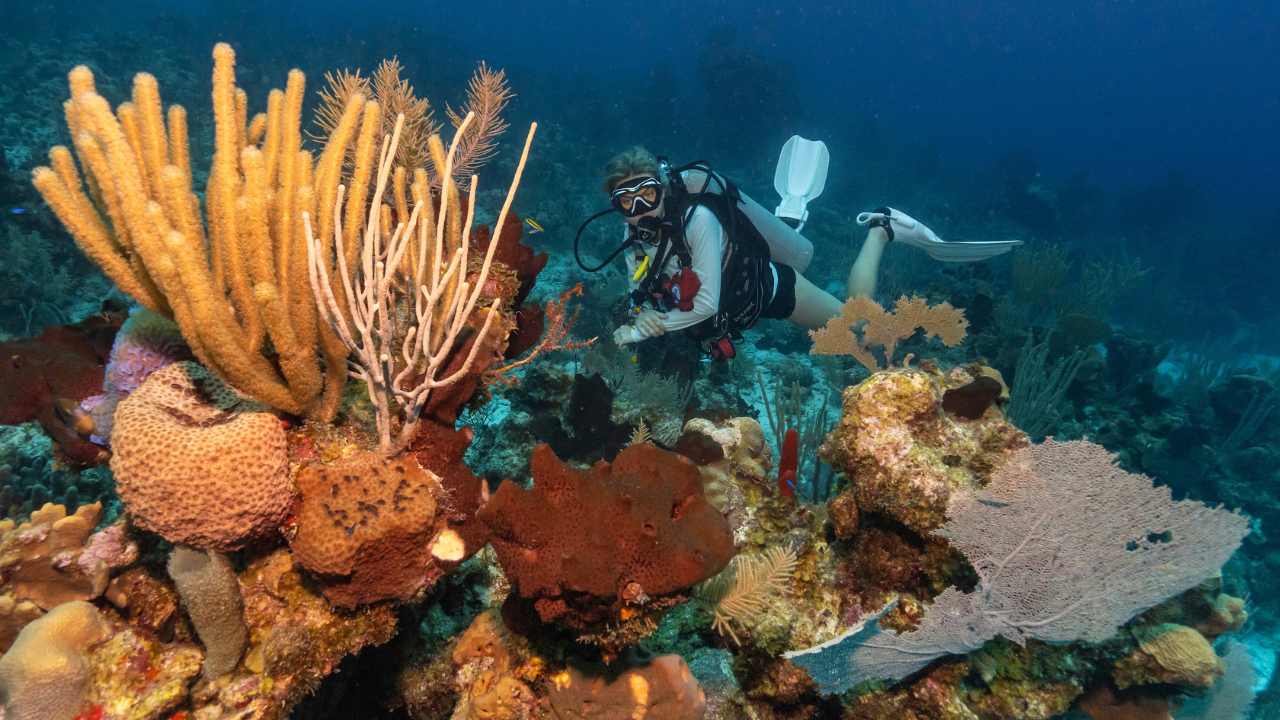
And that overflow of biodiversity from MPAs under the strictest protection is undeniable. Even just in the journey there, dolphins crest and dive beyond the bow before descending at your final destination. Whether it’s a drift dive, shore dive, or reef descent, colors deepen as you plunge into the abyss. Moray eels stow away among rocky coral, vivid sponges, and swaying seafans, while barrel-rolling manta rays feed on sun-lit plankton, and enormous pinnacles rising 40 feet from the seabed transform into an aquarium, especially after twilight.
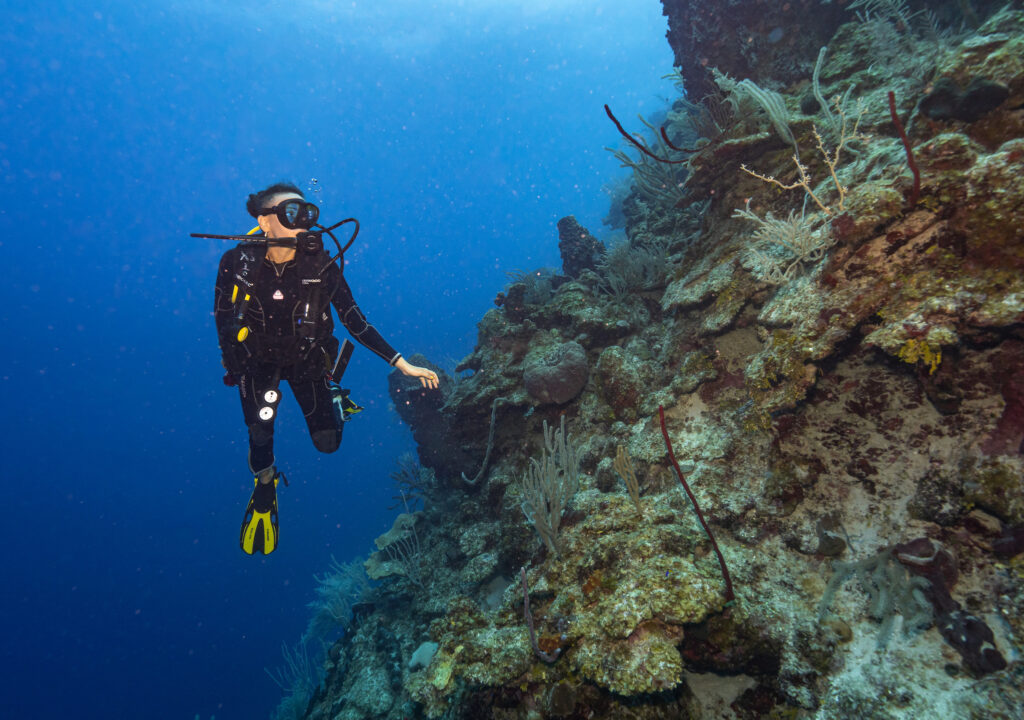
So while community-centered conservation efforts spell even brighter scuba tourism in Belize’s balmy water, it’s also a step towards the next marine milestones for the Central American nation’s Blue Economy. Turn your darecation into a divecation for the same exhilarating “I can’t believe I just did that” feeling after a truly unforgettable underwater experience.
As the winner of Scuba Diving Magazine’s Reader’s Choice Awards for Best Dive Destinations in the Caribbean & Atlantic (1st place for big animals, 2nd in health of marine environment, and recognized for both best overall and best value), Belize’s reef speaks for itself. Whether it’s a graceful sea turtle or sleepy lemon shark, neutral buoyancy almost always equals a sweet spot between wonder, awe, and sustainable tourism. Win-win-win.