Why Belize Honors Garifuna Survival Day
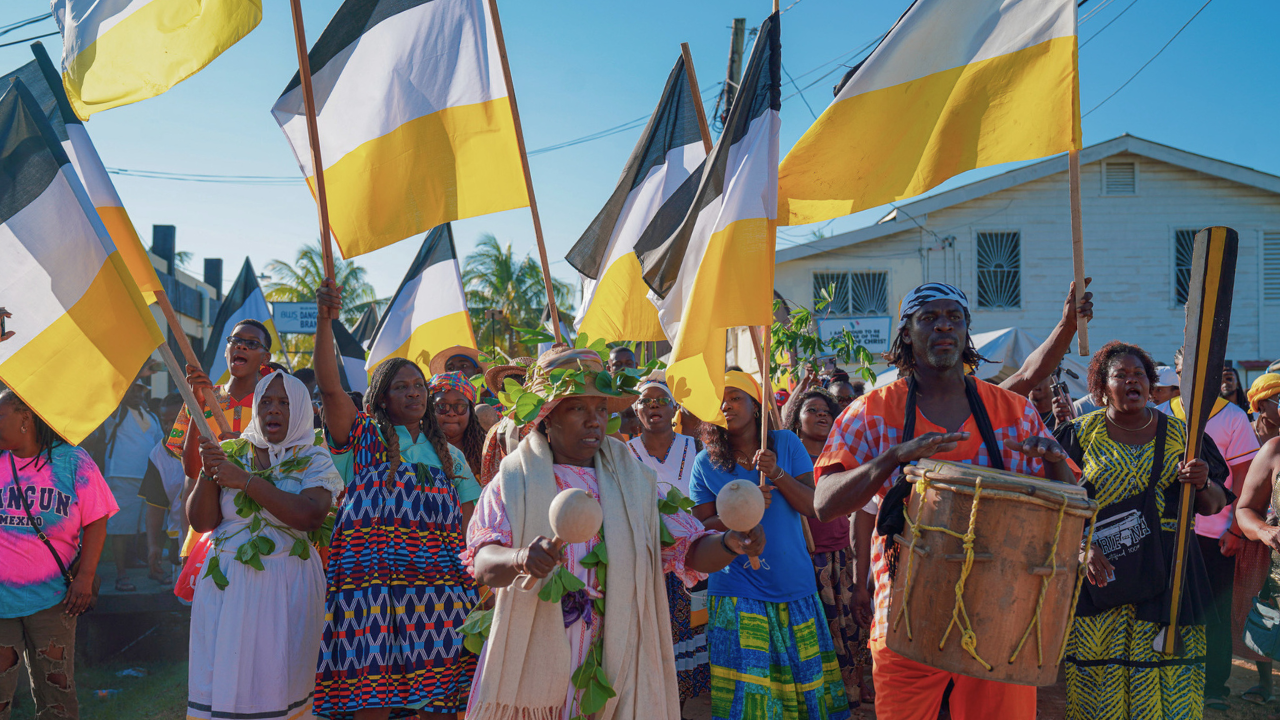
Garifuna Survival Day is a day that embodies the Garinagu’s grit and resilience. On April 12, Garinagu from across the region commemorate the day their ancestors arrived on the shores of Roatan, Honduras. It was no easy feat for such a vibrant culture to endure for over two centuries.
Who are the Garinagu?
Garifuna origins date back to the 17th century when a shipwreck of enslaved Africans occurred near the coast of the Lesser Antilles country, St. Vincent. Caribs, Indigenous Americans of the Lesser Antilles and South America, lived on the island. By the 18th century, the union of the Carib and enslaved Africans created the formidable Garifuna culture.

The Garinagu resistance against the British
The French settled on St. Vincent in 1719. However, due to the Treaty of Paris in 1763, Great Britain gained possession of the island. The British wanted to expand their sugar plantation, which led to constant tactics of scare and force to relocate the Garinagu from the vast fertile land. Nevertheless, the Garinagu resisted, and open war broke out in 1772. Unfortunately, they lost almost all their land to the British on the north-eastern side of the island.
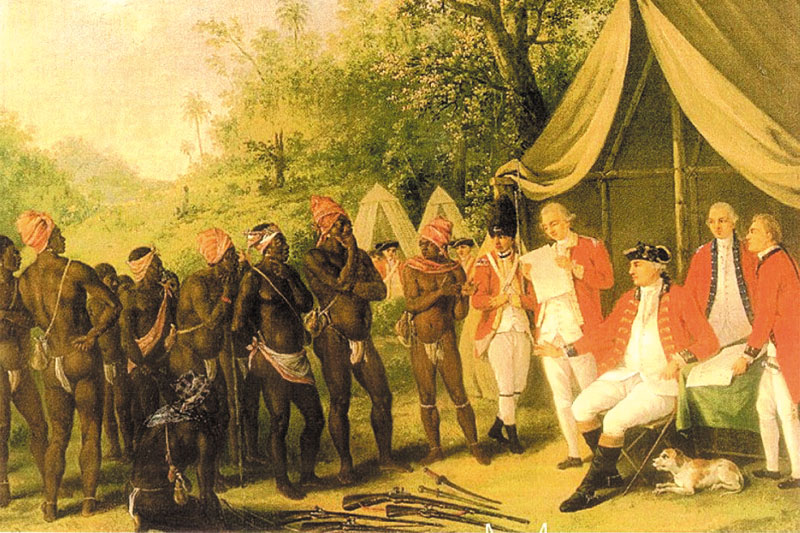
The British persistence for Garinagu land ignited another Carib War between 1795 and 1796. 25 years after the warfare with the Garinagu, the British finally followed the instructions of the Governor of St. Vincent to forcibly remove the Garinagu from their land. The British destroyed their homes, crops, and canoes. In 1796, they captured over 4,000 Garinagu men, women, and children, along with enslaved Africans and “Yellow Caribs,” and transported them to the deserted rock island of Baliceaux.
Many Garinagu died from diseases and malnutrition. Their population faced a drastic decline after losing about 2,000 lives. The British loaded the remaining Garinagu men, women, and children on a convoy to set sail from their homeland of St. Vincent (Yurumein) after returning the Yellow Caribs.
The Garinagu’s Arrival in Central America
On April 12, 1797, about 2,000 Garinagu arrived at Punta Gorda, Roatan, in Honduras. They assured the Spanish authorities that they would not pose a threat, and they were allowed to establish villages on the island. In 1802, not long after their settlement in Honduras, 150 Garifuna laborers traveled to Belize and settled on the southern coast. They worked in the mahogany camps. However, the British kept them away from the enslaved Africans to prevent possible rebellion.
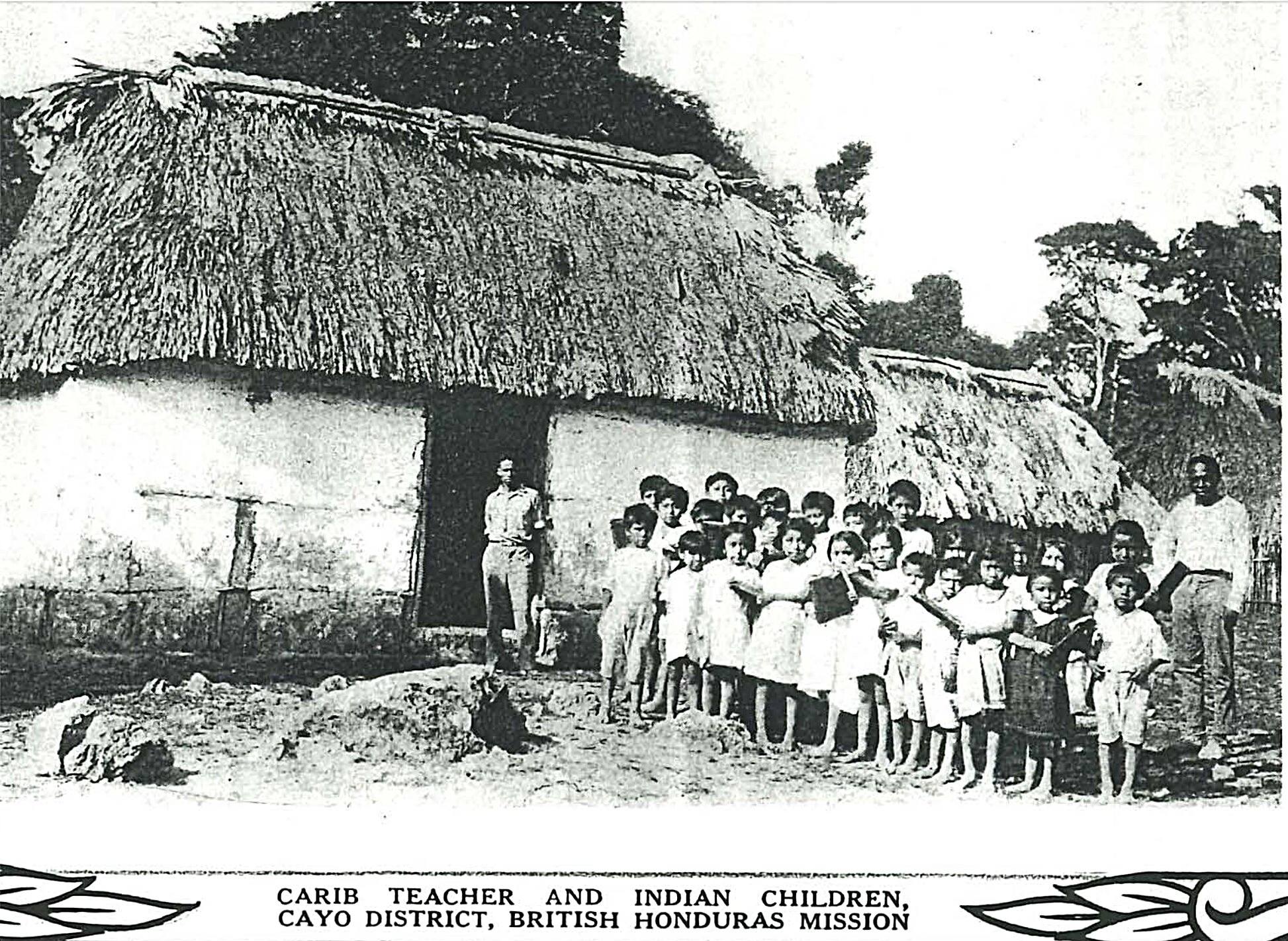
On November 19, 1823, the largest Garifuna group arrived in Belize; since then, the country has celebrated Garifuna Settlement Day. They are acclaimed educators who pioneered rural schools in Belize and trailblazed the Belizean music scene with Punta and Paranda.
Thriving after Surviving
After torment, adversity, and exile, the Garinagu are a testament to resilience and community. Despite their culture being under threat many times, they survived and rebuilt their lives. They were fishers, farmers, teachers, and musicians. The Garifuna population spans the Caribbean coast of Honduras, Belize, Guatemala, and Nicaragua, as well as the diaspora in the United States, including New York and Houston. Their music, dance, spirituality, and language still live on.
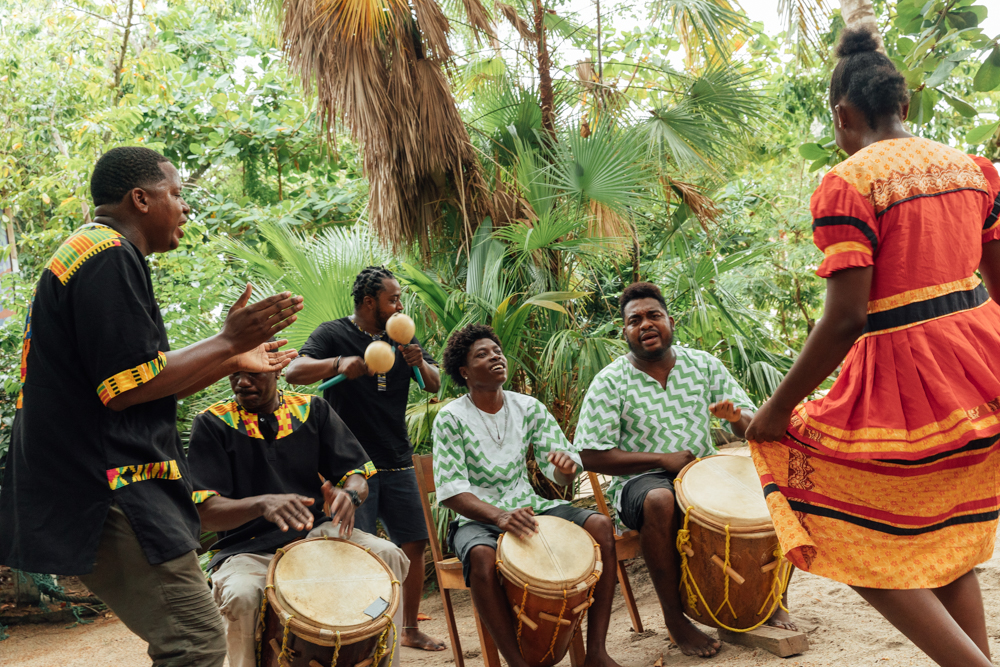
In Belize, Garifuna Survival Day is celebrated with concerts, special recognitions, and a trip to Roatan, Honduras, to celebrate the ancestors’ strength and resistance against all odds.
There would have been no arrival of the Garinagu to Belize on November 19, 1823, if there had been no arrival in Honduras on April 12, 1797. The Garinagu are one people, one culture, and one story that stands the test of time.
References: Enriquez, J. (2021, April 17). Garifuna Survival Day – a historical reflection., Roatan Tourism Bureau. (2026, March 25). Commemorating the arrival of the Garifuna in Roatán, Honduras – April 12th — Roatan Tourism Bureau TM. Roatan Tourism Bureau TM