A Timeline of Belize’s Road to Independence
A hallmark of Belize’s September Celebrations is Independence Day, which commemorates the nation’s resilience and determination to achieve sovereignty. In 1862, Britain declared Belize a colony. Since then, a series of significant events helped shape the movement toward self-governance and ultimately, independence in 1981.
The Road to Belize’s Independence
1930s-40s
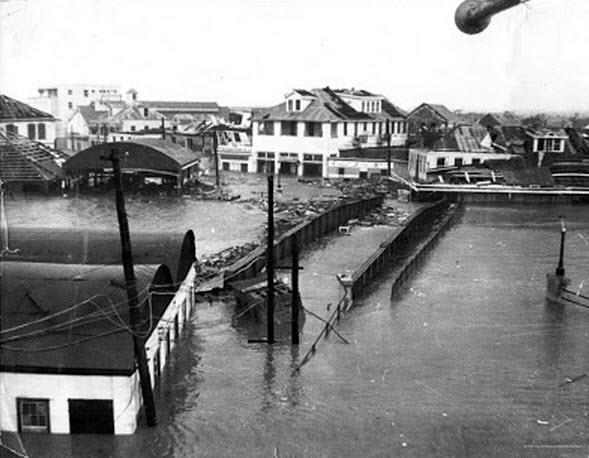
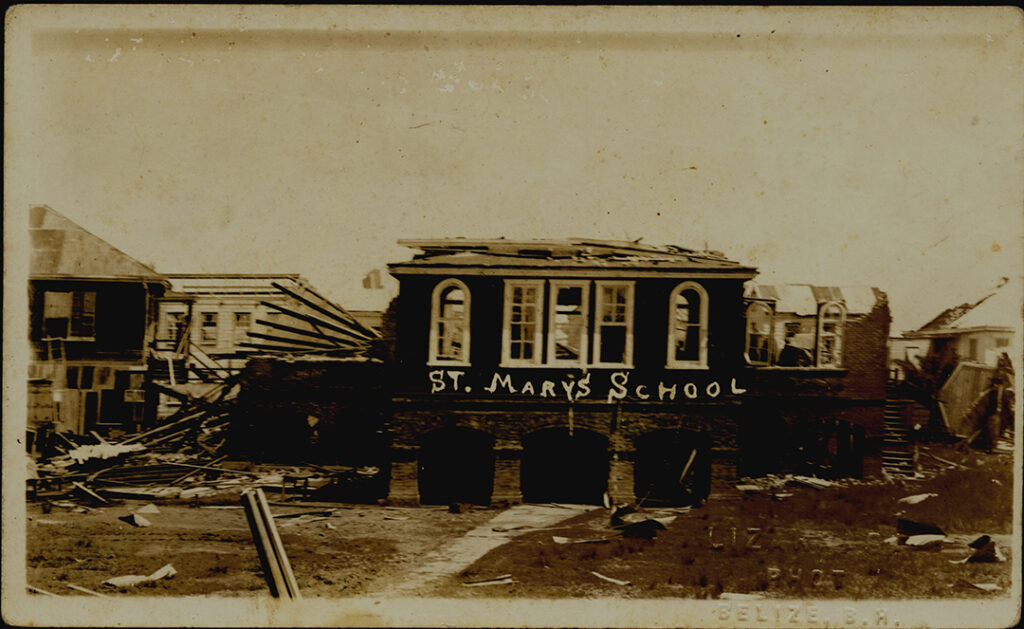
1930s to 1940s – The devastation of the 1931 Hurricane and the worldwide depression resulted in widespread unemployment. The country’s deplorable conditions, with little to no intervention by the colonial government, sparked the labor movement.
The Laborers and Unemployed Association (LUA) and the General Workers’ Union (GWU) were at the front line for the workers’ rights movement. Antonio Soberanis was a bold figure who inspired many locals to fight for social rights. In his March 1934 speech, he said, “Better to be a dead hero than a living coward.”
1949 – On 31 December, 1949, the British Colonial Government devalued the Belize dollar, worsening the existing unemployment and poverty epidemic. The People’s Committee emerged that very day to protest against the colonial government.
1950s-60s
1950 – The People’s Committee evolved into the People’s United Party, led by Leigh Richardson, George Price, and Philip Goldson, on 29 September 1950; the party aimed for political and economic independence.
1954 – The people of British Honduras achieved Universal Adult Suffrage, expanding democracy by allowing locals to vote regardless of income or property status.
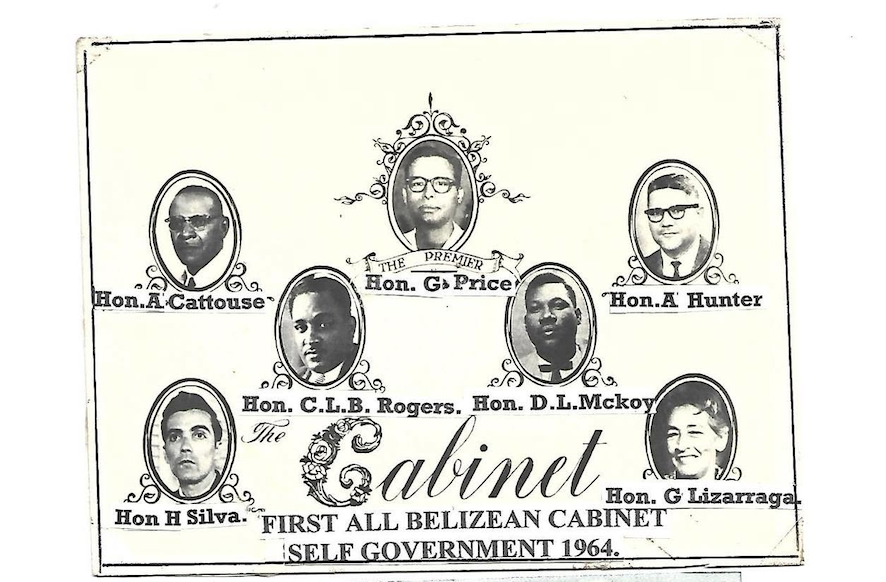
1964 – Ten years later, another major achievement: self-governance. The people of British Honduras now ran the country’s internal affairs. However, the British Colonial Government still controlled defence and international affairs.
George Price was the first Premier. Since self-governance, the country saw two significant changes. These included a shift from a forestry to an agricultural economy and a crucial land reform that reclaimed thousands of acres from large estates, among other changes.
1970s-80s
1973 – National identity began to take shape as the country moved toward independence, and British Honduras was renamed Belize.
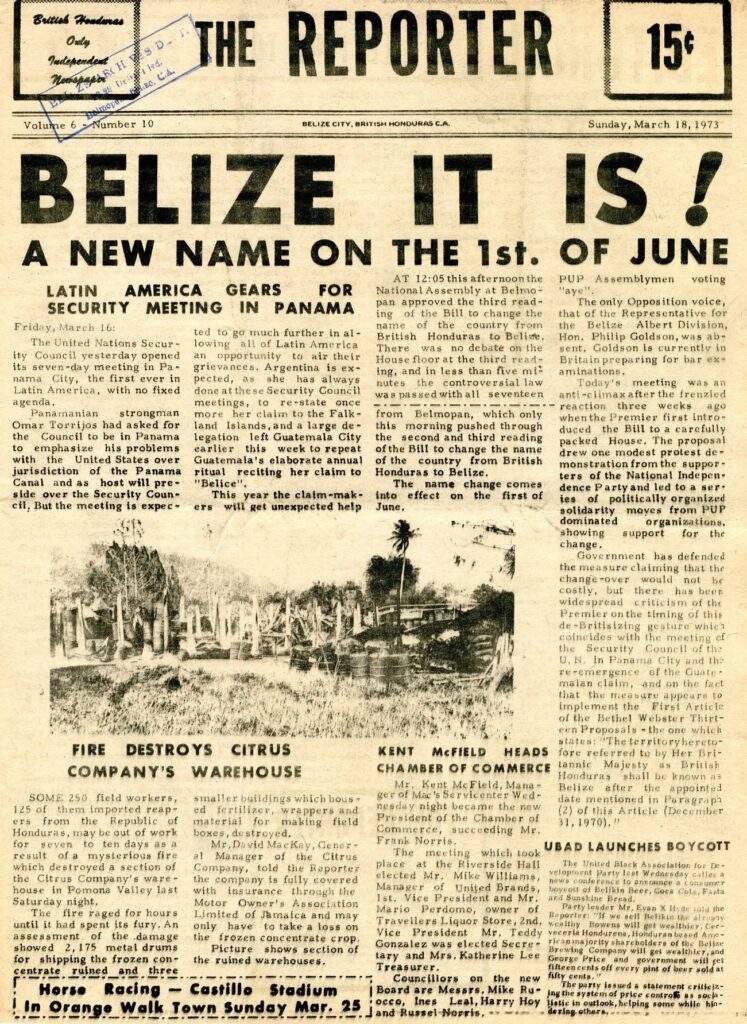
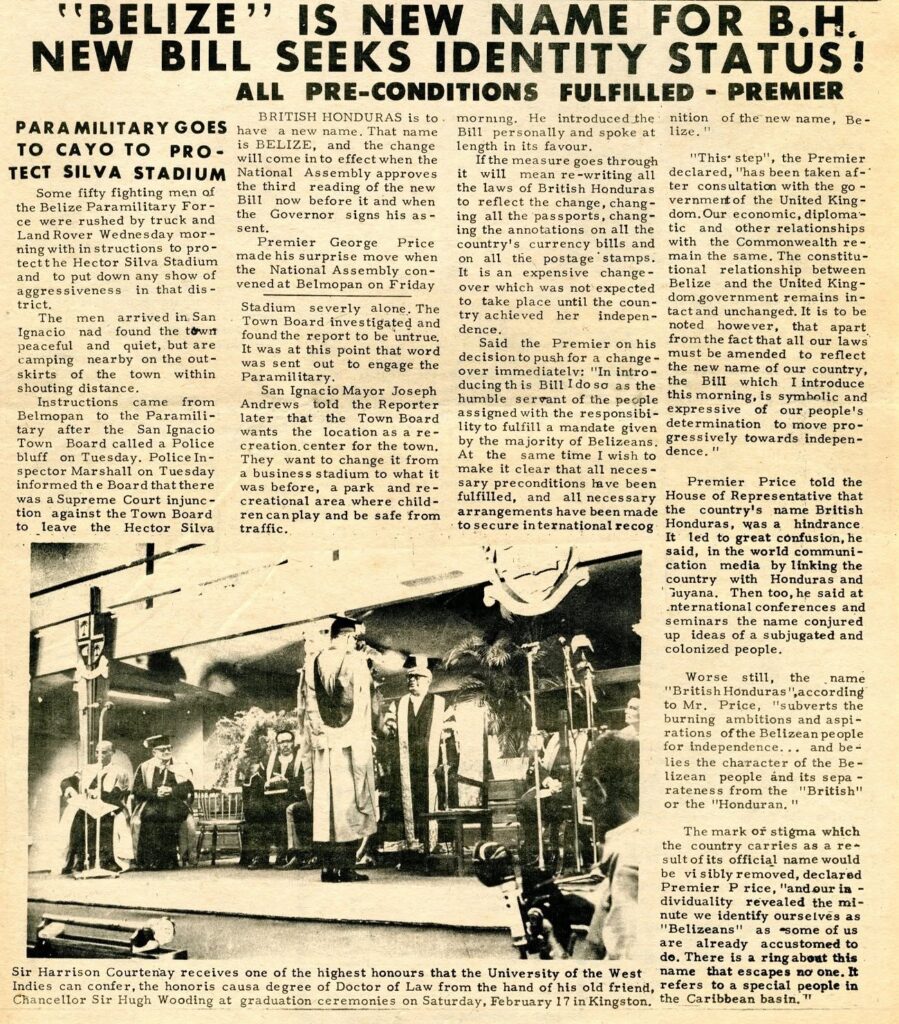
Though Britain gave Belize the green light for independence, a major obstacle was the Guatemala territorial dispute. Belizean officials ran a robust campaign and held a series of meetings to gain international support for its territorial sovereignty. In 1975, Cuba was the first Spanish-speaking country to support Belize in the first United Nations (UN) resolution.
No mainland Latin American country voted for Belize. However, things changed when General Omar Torrijos, President of Panama, gave unwavering support for the Belize resolution. His vigorous campaign led many Latin American countries to vote for Belize in subsequent UN resolutions.
1980 – In November 1980, the UN passed a resolution calling for Belize’s independence with nearly unanimous international support for its territorial integrity.
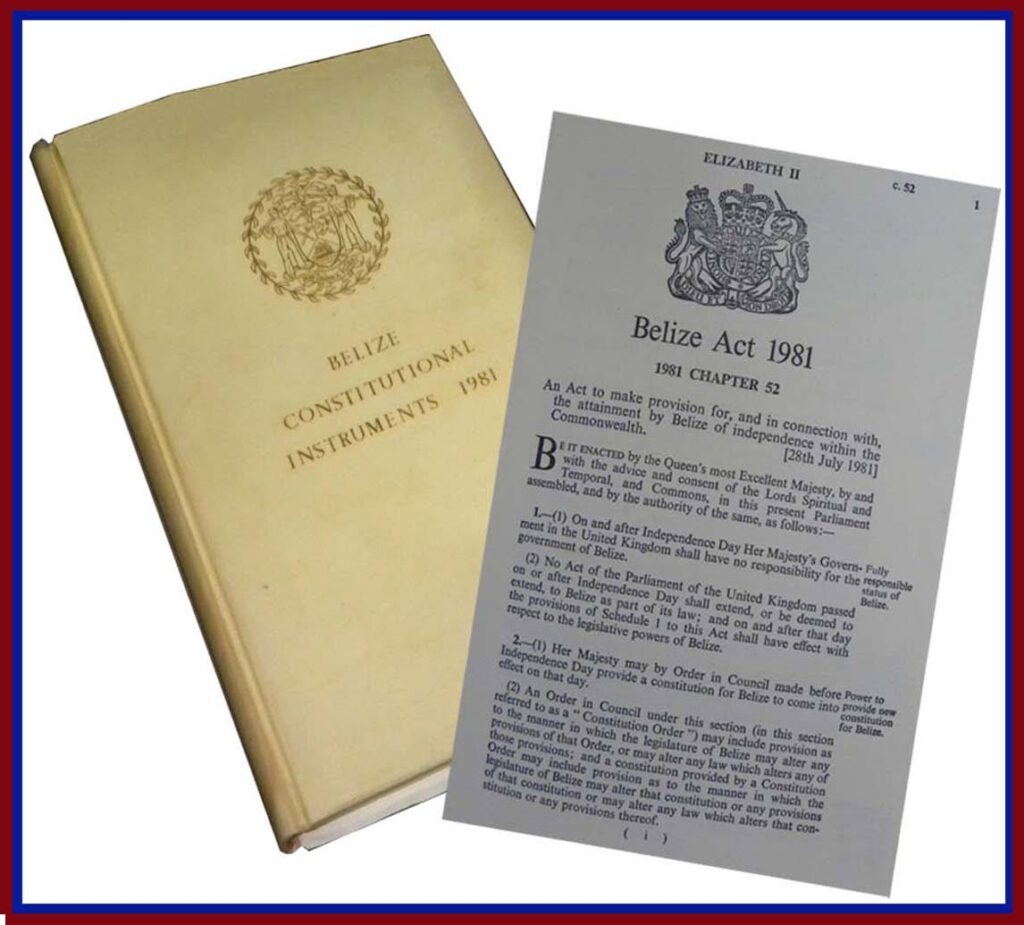
Although the Belize-Guatemala territorial dispute did not come to a resolution, the international community, including Britain, supported proceeding with independence. Britain committed to continue defending Belize with its troops in-country, with the consent of the Belizean government.
Independence
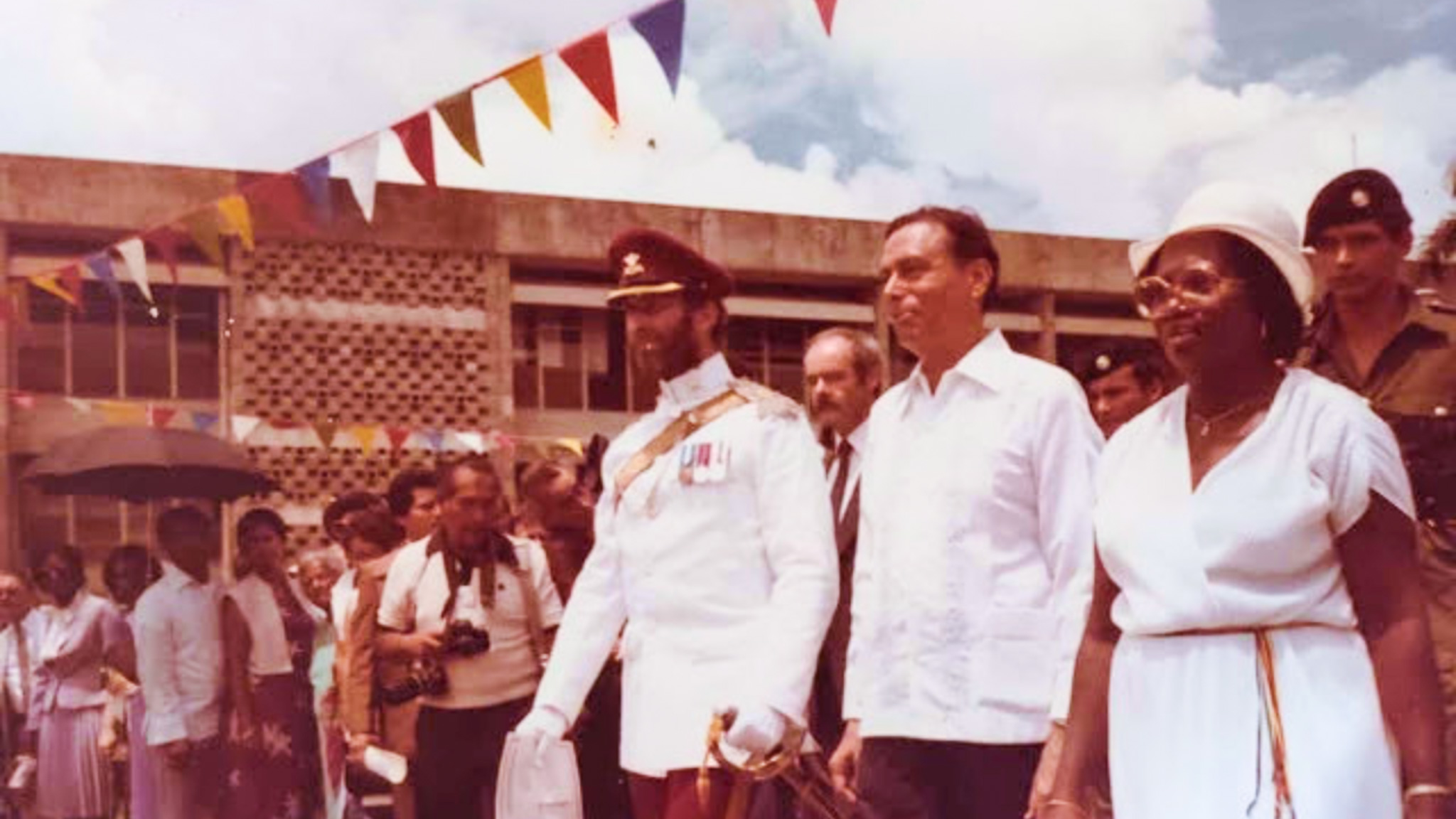
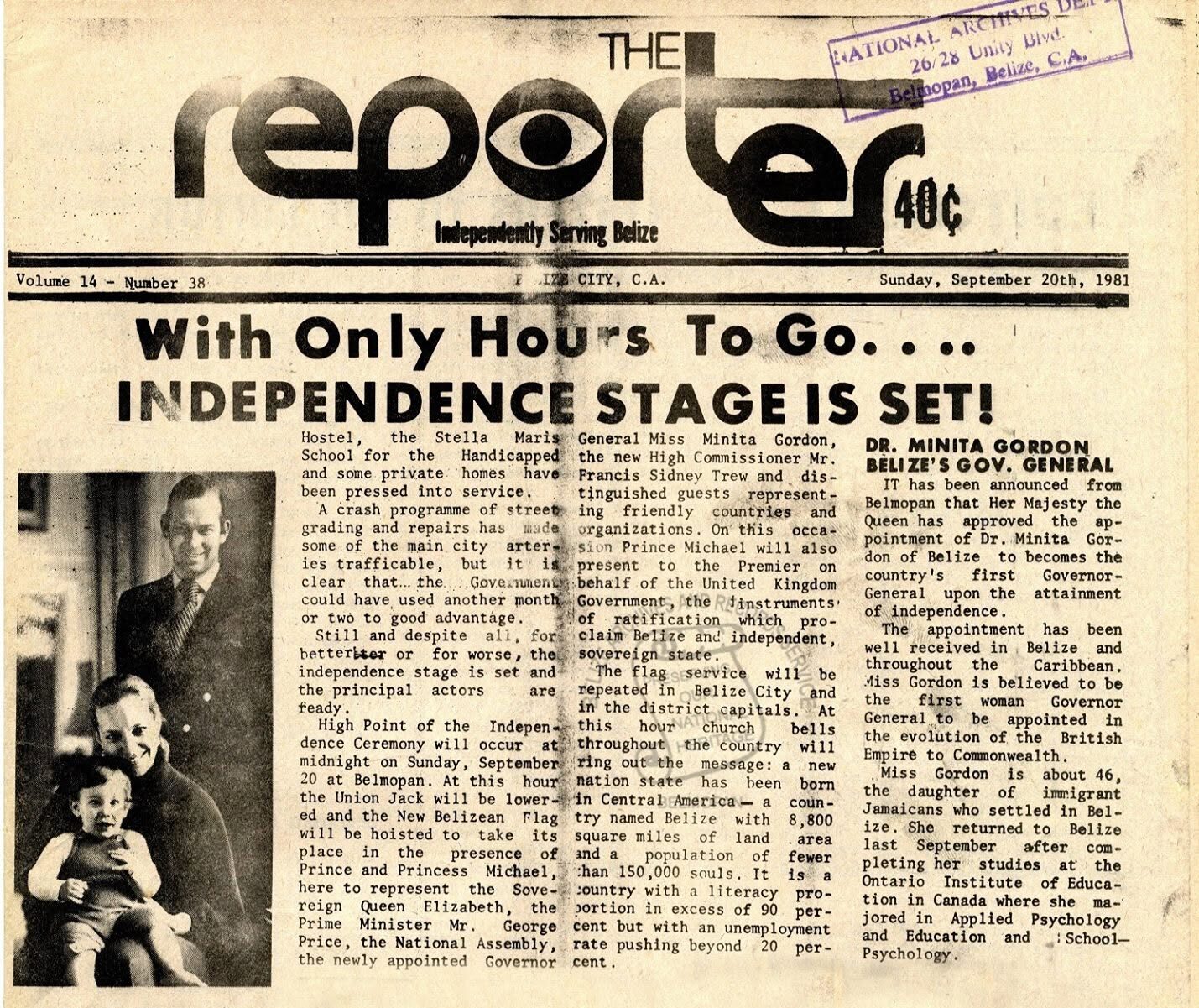
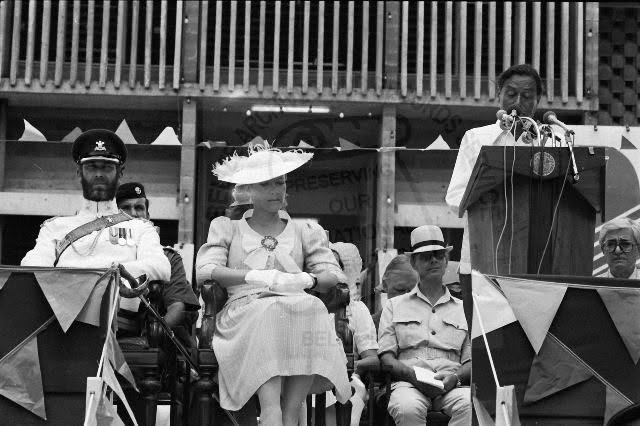
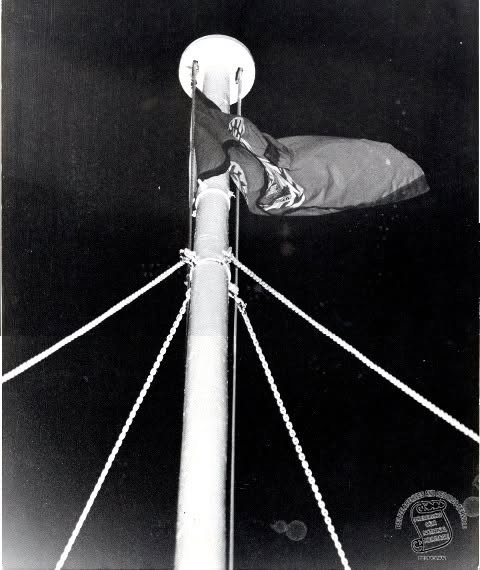
1981 – On 21 September, 1981, the Union Jack came down, and the Belizean flag unfurled, catching the Caribbean breeze. Belize gained its independence from Britain! George Cadle Price became the country’s first Prime Minister, and Dr. Elmira Minita Gordon was appointed as Governor General. She was the first woman to become Governor General in the British Commonwealth, serving from 1981 to 1993.
Belize is now a free nation, renowned for its unique geographical and cultural history. From ancient Maya civilization to British colonial rule, and the many details in between, this 8,867-square-mile country stands as a force of peace and unity throughout its road to independence and beyond.
References: Moe, & Moe. (2024, October 5). The Road to Independence – 501academy. 501academy – The open education resources hub. https://501academy.edu.bz/2024/10/05/the-road-to-independence/