How Bird Watching Outside of Peak Migration Helps Their Conservation
Sometimes, the best reason to travel is straightforwardly simple: you love something enough to follow it elsewhere. Belize beckons to answer many a call by sheer existence; divers and snorkelers alike flock offshore to witness the world’s second-largest barrier reef, while spelunkers descend into ‘Xibalba’ on foot, canoe, or inner tube with the longest cave system in Central America. And that’s without even mentioning the islands, waterfalls, or ancient Maya temples—to start.
Birds (and by extension, birders) are no different.
So why stop at one border—or even one season—when there are more birds, and more like-minded birders, waiting on the other side? As birds fly south for the winter, then back for the spring, Belize serves as a critical stopover point for millions (maybe even billions) of birds traveling along that flyway path along the north-south corridor of Central and South America. With confirmed species that’s tipped over 620 species in Belize, some live here full time; some stop over to forage for fuel before pushing on; and some ride it out until it’s time to return to their breeding grounds. Picture it: littoral forests and salty indigo waves for the pelagics, grassy creeks and brackish marshes for the waterbirds, swaths of dense rainforests to coax even the shyest warblers—all enough to bring a gleam to any birder’s (and bird’s) eye.
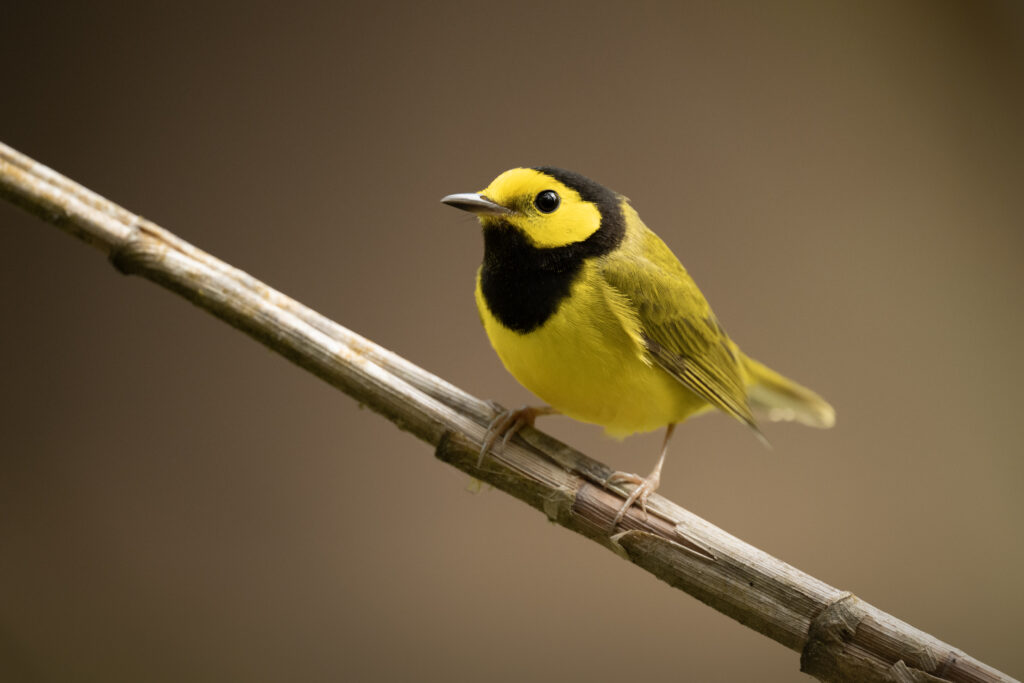
Charting a course for thousands of miles with nothing but hard-wired innate navigation, you can count on ‘shoulder season’ months like May and October for peak migration—in numbers and plumage—but in a destination like Belize, the natural phenomena isn’t limited to migration. That year-round variety alone is nothing short of remarkable.
Boosting Grassroots Community Conservation
Low-impact by design, this already offers an ideal model for conservation-led travel, and birding isn’t entirely new to Belizeans either. Local communities have long known the value of exploring reserves, parks, and even urban green spaces through this lens. In fact, they’ve been instrumental in their own conservation—like the village of Crooked Tree as on-site stakeholders of more than 16,000 acres of wildlife sanctuary, or birders lobbying to first inscribe Half Moon Caye as a protected area because of the red-footed booby. Today, the only difference is the scale and recognition of its impact.
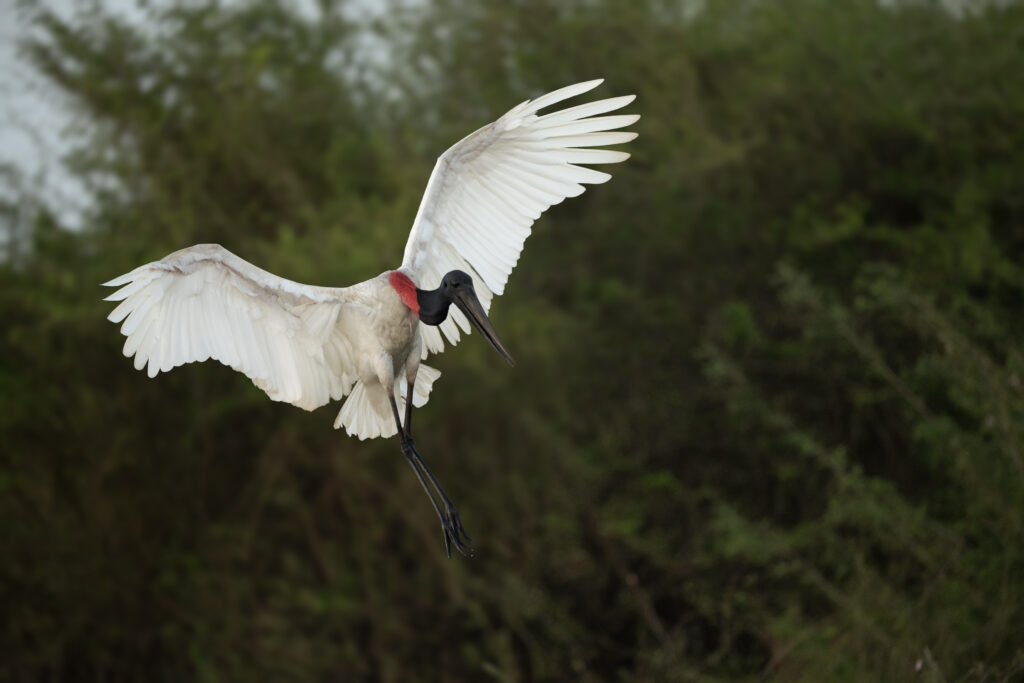
That’s because a serious birdwatcher will fly in, rent a car, hire a guide, eat at the local mom-and-pop restaurant, and then book either a bed-and-breakfast or small jungle lodge. When communities benefit, conservation becomes a shared priority rather than an external onus. Knowing others are happy to experience your home becomes more than just preservation; it becomes a practical, economically viable solution to funding rural protection. Between getting outdoors, squeezing in steps for the day, and the simple joy of witnessing nature interacting, birdwatching is a powerhouse of a future-forward green industry. No high-impact infrastructure or intrusive ordeal needed.
Any self-proclaimed ‘bird nerd’ will answer the call of a rare bird alert, and a 2023 study estimated what that could mean for tourism: when a Steller’s Sea-Eagle was spotted along the New England coast on mainland USA and stuck around for about a month. Birders poured in to spot it themselves, and brought close to US$750,000 into Maine and Massachusetts alone. So when you think of your next ‘lifer’ of neotropical birds, consider the easily scalable, accessible, and traversable Belize to raptor watch in Punta Gorda, sight toucanettes in San Ignacio, find Yucatan endemics in Corozal, or vouch for 10+ types of terns in Turneffe Atoll, all in a handful of days.
From Passive Appreciation to Protective Stewardship
If you’re a birdwatcher, you’re also a citizen scientist. Gone are the days when birders are boxed into only being khaki-donning retirees: if you can hear or see a bird, you’re officially a birder too! By simply observing, like using a field guide app like Merlin, or recording, like with eBird, you’ll paint a picture for researchers of where birds are, when, and possibly why. With free resources at our fingertips with smartphones today, you can even take it a step further and volunteer with local NGO Belize Audubon Society for a local event, like October’s Urban Bird Watch in every major municipality, or the Christmas Bird Count, surveying mega-hotspot circles across the country. No experience necessary!
Dip your toes—and find your niche—with the country’s annual Belize Birding Festival that attracts birding enthusiasts from across the country and the globe. This year, the rotating event heads to Orange Walk for one day; remember those Yucatan endemics mentioned earlier? Time to tick them off your life list this October 3rd.
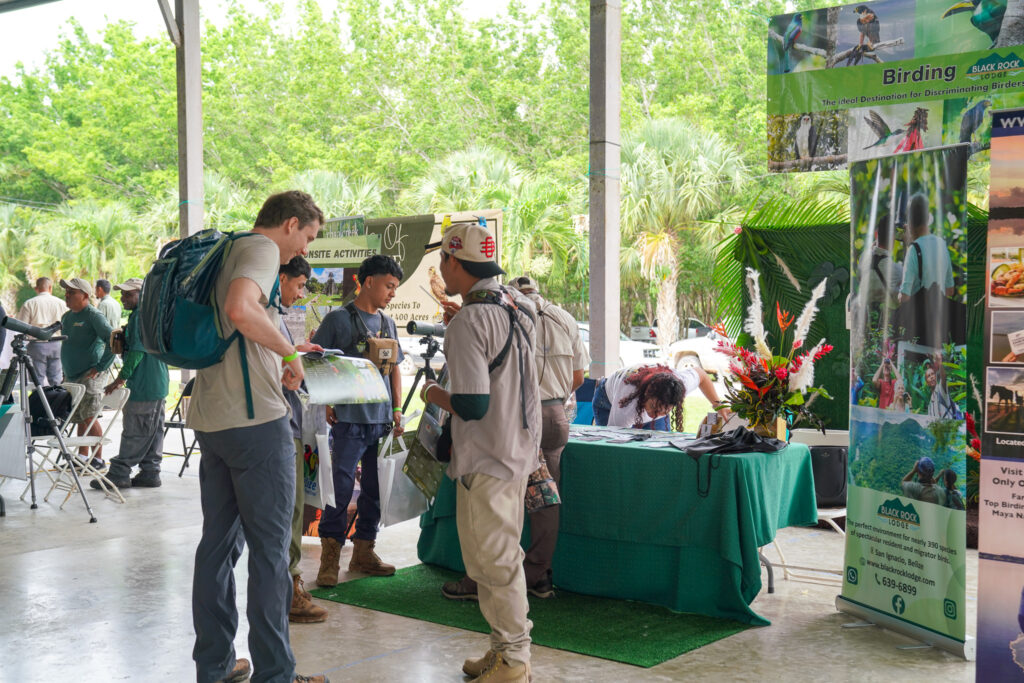
Regardless of what time of year you get out there, it’s hard not to feel moved by such delicate, yet powerful, symbols: whether they’re an ‘unassumingly drab’ songbird or a kaleidoscope of saturated color. As such a critical indicator species of climate change and ecosystem health, hosting ~80% of species year-round reflects that birds also want to linger longer in Belize, for a reason. Between supporting Belize’s birding grounds through local guides, fun festivals, wildlife sanctuary entrance fees, and more, come see what the buzz—or rather, flutter—is all about.